
How Job Descriptions Influence Workplace Culture
Job descriptions are much more than functional checklists—they serve as the foundational narrative of an organization’s culture and priorities. A well-articulated job description not only spells out day-to-day expectations but also sends a strong message about what a company values most in its employees. As potential candidates scan a job posting, they are often searching for indicators that reveal what it might be like to be part of that team and how their contributions will be valued. For real-world inspiration on how companies are experimenting with innovative language and structure, explore this creative job description example.
This approach not only attracts applicants but also subtly shapes the collective identity of the workforce. When an organization prioritizes collaboration, inclusivity, or innovation in its job descriptions, it is more likely to attract individuals with similar mindsets. This, in turn, directly impacts how teams form, solve problems, and support one another on a day-to-day basis within the workplace.
Innovative Job Titles and Their Impact
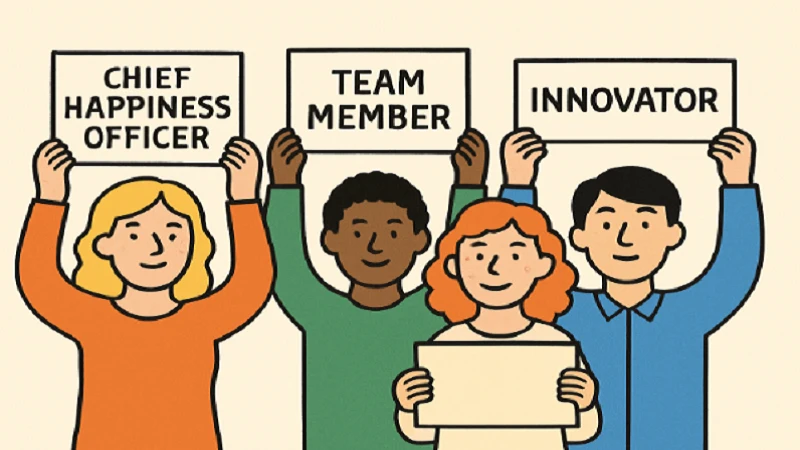
The evolution of job titles reveals a great deal about the changing values in the workplace. Gone are the days when rigid, hierarchical designations dominated the employment landscape. Today, organizations often leverage distinctive or playful job titles as a signal of their internal culture. For instance, roles such as “Chief Happiness Officer,” “King/Queen of Rigor,” or even “Chief Troublemaker” for organizational leaders are designed to stand out in a crowded talent market and attract individuals who are driven by a sense of fun, creativity, or disruptiveness.
Such inventiveness in titling not only makes a job more eye-catching, but it also sets clear expectations that the culture is anything but ordinary. These titles tend to promote a sense of belonging among those who thrive in environments that value innovation over conformity, thereby shaping the organization’s culture from the applicant stage through to onboarding and retention.
Enhancing Employer Branding Through Job Descriptions
A unique job description serves as an early impression of your brand for prospective employees. When an organization’s job postings showcase its mission, voice, and values, they become an effective employer branding tool. Top talent is increasingly selective, often prioritizing organizational culture as much as compensation. As noted by research highlighted in the Harvard Business Review, a compelling workplace environment—often apparent in job descriptions—has a measurable impact on talent attraction and retention.
This alignment of company values and candidate expectations is a key factor in building cohesive teams that stay engaged, require less ramp-up time, and have lower turnover rates. It allows both applicant and employer to self-select into partnerships that are more likely to be mutually rewarding.
Promoting Diversity and Inclusion
Workplace diversity rarely happens by accident—inclusive hiring starts with inclusive job descriptions. The words and phrases used can either open the door to a wide range of applicants or inadvertently discourage qualified individuals from applying. Avoiding gendered or exclusionary terms is a simple but significant detail. For example, using “team member” instead of “salesman” actively communicates the organization’s commitment to a bias-free environment.
Beyond language, it is crucial to emphasize the company’s stance on diversity and inclusion. Statements regarding the value placed on differences—be it race, background, or thought—reinforce an organization’s ethos and foster a welcoming culture. Forward-thinking organizations regularly update job postings to reflect the evolving standards in this area, which is important to the growing number of job seekers who prioritize equity and inclusion when making employment decisions.
Setting Clear Expectations
Clarity is the backbone of high-performing teams. By providing detailed information about roles, responsibilities, and specific performance metrics in job descriptions, companies set a transparent tone from the outset. This fosters trust and allows potential employees to accurately assess whether they are a good fit for the opportunity, thereby reducing the likelihood of misunderstandings after hiring.
Clear expectations also promote accountability, as everyone—from new hires to long-tenured employees—knows what is required for success. This transparency significantly contributes to a more positive workplace, where feedback and professional growth are easier to navigate and support.
Real-Life Examples of Unique Job Descriptions
Innovative organizations are setting new benchmarks with job descriptions that are both memorable and impactful. For example, Greenhouse has highlighted several creative job postings used by industry leaders to cut through hiring noise and attract high-caliber applicants. These companies have moved beyond boilerplate language, opting instead for copy that conveys both purpose and personality. Such examples stand out among generic postings and often serve as templates for other forward-thinking employers.
Balancing Creativity and Clarity
While it is tempting to let creativity dominate when drafting job descriptions, too much quirkiness can obscure the fundamental requirements of a role. Overly ambiguous or unconventional job titles without adequate explanation may deter otherwise qualified candidates who are unsure whether they are a good fit. The key is to strike a balance—capturing the unique aspects of your company while maintaining enough specificity to inform and inspire your target audience.
Industry leaders advise that effective job descriptions strike a balance between imagination and actionable detail, providing both the “why” and the “how” behind the job.
Final Thoughts
Job descriptions wield powerful influence in shaping workplace culture and driving organizational success. From framing the company’s unique identity and values to setting standards for inclusion and clarity, every line in a well-crafted posting plants seeds for the future workforce. Companies that view job descriptions as both a recruitment tool and an extension of their brand are best positioned to attract, develop, and retain talent that will thrive in and enrich their organizational culture. See more!