
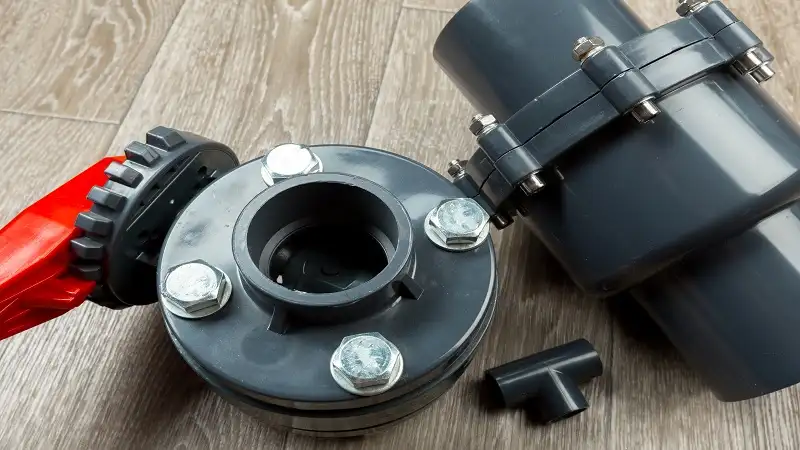
An electric water pump is a widely used device designed to move water from one place to another using electrical energy. It is commonly found in homes, farms, industries, and construction sites. This equipment plays an important role in water supply, irrigation, drainage, and many other applications. Its efficiency and ease of use make it a popular choice compared to manual or fuel powered alternatives.
What Is an Electric Water Pump
An electric water pump is a machine that uses an electric motor to move water through pipes or hoses. It works by converting electrical energy into mechanical energy, which creates pressure to push water forward. These pumps are designed for different purposes, ranging from small household tasks to large industrial operations.
The design and capacity of the pump can vary depending on its intended use. Some are compact and portable, while others are large and powerful for heavy duty applications.
How an Electric Water Pump Works
The working principle of this device is based on creating pressure and flow. When the motor is powered on, it rotates an internal component called an impeller. The spinning impeller creates a force that pushes water through the pump and into the discharge pipe.
As water moves out, more water is drawn into the pump through the inlet. This continuous cycle ensures a steady flow. The speed and power of the motor determine how much water can be moved and how far it can be transported.
Types of Electric Water Pumps
There are several types of pumps available, each designed for specific uses.
Centrifugal Pump
This is the most common type. It uses a rotating impeller to move water and is suitable for general household and industrial use.
Submersible Pump
This pump is designed to operate underwater. It is commonly used in wells, boreholes, and drainage systems.
Booster Pump
A booster pump increases water pressure in a system. It is often used in buildings where water pressure is low.
Jet Pump
This type is used for drawing water from wells. It is suitable for both shallow and deep water sources.
Key Components
An electric water pump consists of several important parts that work together.
Electric Motor
The motor provides the power needed to operate the pump.
Impeller
The impeller moves the water by creating centrifugal force.
Pump Casing
The casing houses the internal components and directs the flow of water.
Inlet and Outlet
These are the entry and exit points for water in the system.
Seals and Bearings
These components ensure smooth operation and prevent leaks.
Benefits of Using an Electric Water Pump
There are many advantages to using this type of pump.
Easy to Operate
It requires minimal effort to run, as it works with the push of a button.
Efficient Performance
It provides consistent and reliable water flow.
Low Maintenance
Compared to fuel powered pumps, it requires less maintenance.
Environment Friendly
It produces no direct emissions, making it a cleaner option.
Common Applications
An electric water pump is used in many areas.
In homes, it supplies water to tanks and taps. In agriculture, it is used for irrigation. In construction, it helps remove water from sites. In industries, it is used for cooling and processing systems.
Its versatility makes it suitable for a wide range of tasks.
How to Choose the Right Pump
Choosing the right equipment depends on your needs.
Water Source
Consider whether the water comes from a well, tank, or open source.
Required Pressure
Determine how much pressure is needed for your application.
Flow Rate
The amount of water you need to move will affect your choice.
Power Supply
Ensure that the pump matches your available electrical system.
Installation Basics
Installing this pump requires proper setup. Place the pump on a stable surface. Connect the inlet and outlet pipes securely. Ensure proper wiring according to safety standards.
After installation, test the pump to check for leaks and proper operation. Correct installation improves performance and safety.
Maintenance Tips
Regular maintenance keeps the pump in good condition.
Clean the pump and remove any debris. Check the motor and wiring regularly. Lubricate moving parts if required. Replace worn out components on time.
Proper care helps extend the life of the pump.
Safety Considerations
Safety is important when working with electrical equipment.
Avoid operating the pump with wet hands. Ensure proper grounding to prevent electric shock. Keep the pump away from children. Regularly inspect for any electrical faults.
Following these precautions ensures safe use.
Limitations
While this pump is very useful, it has some limitations.
It depends on electricity, so it cannot operate during power outages. It may not be suitable for very dirty or thick fluids. Some models can be expensive.
Understanding these limitations helps in making the right choice.
Environmental Impact
Using this equipment responsibly is important.
Avoid wasting water. Use energy efficient models. Dispose of old equipment properly. These steps help reduce environmental impact.
Conclusion
An electric water pump is a reliable and efficient solution for moving water in various settings. Its simple operation, wide range of applications, and low maintenance make it a popular choice for many users. By understanding its types, features, and proper usage, you can select the right pump and ensure long lasting performance. For more details visit the site.