What You’ll Learn in a Rural Emergency Skills Training Workshop
Emergencies in rural areas commonly occur where immediate help is not close by. Workshops that focus on remote response techniques prepare people to take calm, safe, and effective steps when situations unfold without warning. These sessions are designed to build practical knowledge that stays useful across a range of incidents.
Rural emergency skills training focuses on real responses where medical services might take longer to arrive. People who attend walk away with strategies, techniques, and practical awareness tailored to remote conditions. The content is clear, direct, and suitable for different levels of physical ability or prior experience.
Risks Recognition in Isolated Locations
Responders need to assess safety without hesitation or delay. Training begins with identifying potential threats to self and others before offering help. Participants observe their surroundings, use structured methods to scan for danger, and respond based on priority. The first minutes always matter, and learning what to notice is the starting point.
People also practise how to determine what kind of help is needed. Identifying signs of distress, physical trauma, or unconsciousness comes next. Courses introduce steps to take before calling for outside support. Clear judgment in this stage helps manage the situation effectively.
Injury Response with Minimal Equipment
Workshops show how to manage bleeding, shock, and fractures using what is on hand. Responders apply bandages, clean wounds, and provide basic support. Each action aligns with techniques designed for low-resource situations. Direction is given on using supplies safely and preventing injuries from becoming worse.
Participants also practise careful movement and positioning. Techniques include stabilising limbs, keeping injured people still, and reducing pressure on wounds. These skills help maintain safety while support is on the way or until evacuation begins.
Medical Action for Critical Conditions
Unexpected illness can require fast decisions. Attendees learn to recognise early signs of breathing difficulty, fainting, or seizure. They then practise what to do until advanced care becomes available. The instruction is practical, allowing for clear memory recall during tense moments.
Courses also highlight steps for diabetes, allergic reactions, or chest pain. These emergencies require different responses, and the training builds familiarity. Some common tools or medications are shown, with guidance on use when appropriate.
Reliable Contact and Basic Gear Essentials
Communication is covered using both modern and basic methods. People learn how to use radios, write clear descriptions for calls, and send signals. No time is wasted on tools not suited for remote areas. Workshops provide direct methods that work with limited coverage or equipment.
Training also includes a bullet list of common items to carry:
- Bandages and dressings
- Torch or headlamp
- Signal mirror or whistle
- Emergency blanket
- Medication for allergies or pain
Real-World Drills That Build Capability
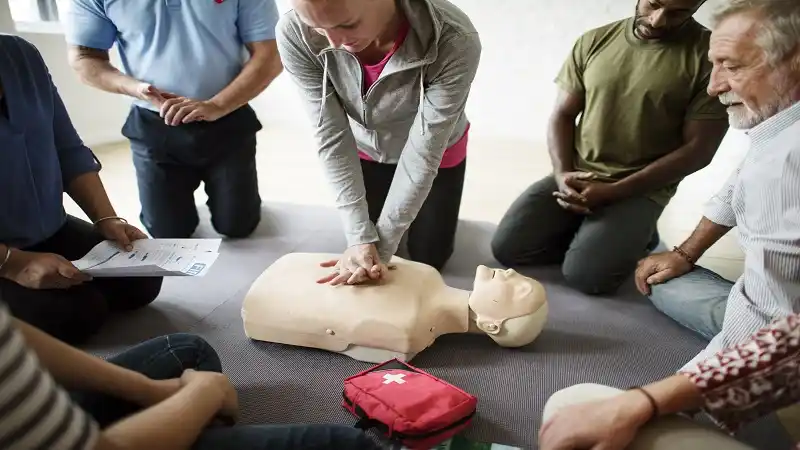
Simulations build confidence through action. Participants are guided through scenes involving unconsciousness, injury, or illness. Each session creates pressure without panic. This style of learning reinforces steps and decisions in a way that stays clear.
Repetition of skills helps prepare for future events. People complete tasks such as dressing wounds, checking pulse, and speaking with emergency services. Nothing replaces practice when learning to respond in a calm, focused manner.
Where to Learn the Right Skills Without Guesswork
Not every workshop offers training built around real rural conditions. Some focus too much on theory without offering clear, tested actions. To prepare properly, it helps to learn from a team that builds programs with rural needs in mind. That includes environments where roads are rough, support is delayed, and decisions must be made on the spot.
Look for rural emergency skills training designed by professionals who understand remote response firsthand. Practical formats, direct teaching, and real-scenario simulations show that the content comes from field knowledge, not guesswork. If the goal is to walk away ready, choose a provider that offers straight answers and proven methods for rural emergencies. See more!


You May Also Like