
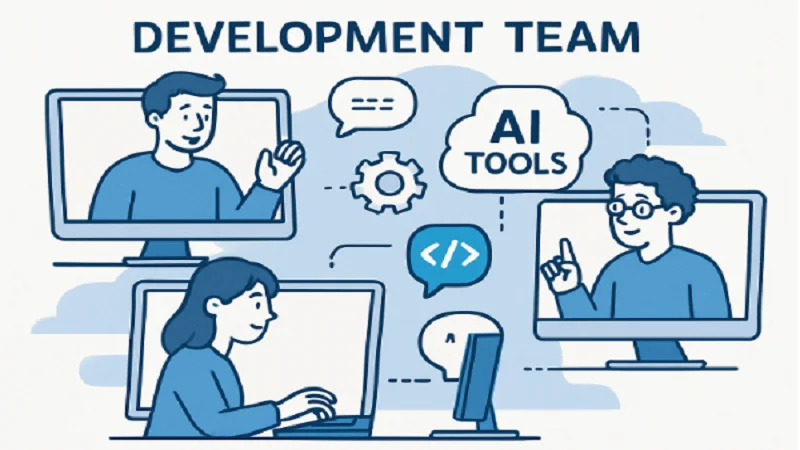
The Future of Agile Software Development: Embracing AI and Evolving Practices
Agile software development has been a game-changer for the tech industry, emphasizing adaptability, iterative progress, and close collaboration with stakeholders. The approach enables development teams to respond to changing requirements and deliver high-value software quickly. Today, as digital transformation accelerates globally, Agile methodologies themselves are changing—driven largely by AI-powered automation, remote-first models, and emerging frameworks for adaptive work. A significant trend in this evolution is the rise of nearshore software development, which allows companies to leverage geographically close talent for better collaboration and cost efficiency.
As organizations strive to stay ahead in a highly competitive landscape, they are blending traditional Agile values with new AI-driven tools. This combination aims to maximize flexibility, transparency, and innovation. By empowering distributed teams to perform at a high level, Agile processes continue to evolve and shape the future of the software industry.
AI Integration in Agile Methodologies
AI integration in Agile workflows is rapidly transforming the developer experience. Advanced AI tools streamline repetitive tasks such as code review, test generation, and bug detection, freeing developers to focus on architectural design and complex problem-solving. According to TechRadar, 90% of developers now use AI in their daily work, with many relying on these solutions for up to two hours a day. The result is improved productivity and higher code quality, as AI efficiently handles routine workloads and identifies key areas for improvement.
Remote-First Agile Teams
Remote and hybrid teams represent the new normal for many Agile organizations. To remain effective across time zones and physical boundaries, these teams are leveraging digital kanban boards, asynchronous communication tools, and AI-driven analytics for task management and optimization. AI assistants facilitate virtual stand-ups, ensure accountability, and keep objectives clear for everyone involved. This shift not only drives efficiency but also enhances inclusivity and competitiveness by expanding access to a global pool of tech talent.
Adaptive Software Development
Adaptive Software Development (ASD) represents a powerful approach for navigating the unpredictable demands of modern software projects. ASD abandons rigid planning cycles in favor of a dynamic “speculate, collaborate, and learn” process. This iterative model prioritizes learning from each sprint and adapting to complexities as they arise, rather than following a static roadmap. ASD is especially valuable for cross-functional teams facing emergent technical challenges or rapidly changing user needs, and is aligned with the Agile principle of embracing change at every stage of development. The framework’s mission-focused mindset also helps teams maintain a sharp focus on business value and stakeholder engagement while proactively managing risk.
Feature-Driven Development
Feature-Driven Development (FDD) brings structure to Agile for large and complex projects. By defining clear, client-valued features and iteratively delivering them in short, manageable cycles, FDD ensures that the most critical functionalities reach users early. This approach relies on best practices such as domain object modeling, feature list building, design by feature, and iterative development. FDD is particularly effective in enterprise environments, where maintaining alignment with business goals and stakeholder visibility is paramount. The method blends the best of both iterative delivery and structured planning, making it ideal for teams seeking a balance of agility and predictability.
AI-Assisted Software Development
AI-assisted software development is revolutionizing how code is created, reviewed, and maintained. From leveraging large language models for code suggestions to using automated bots for generating tests and documentation, AI is driving substantial gains in software delivery timelines and quality. Industry leaders emphasize that such advancements allow developers to redirect their focus toward innovation and strategic problem-solving—a point covered in depth by WIRED.
The use of AI in day-to-day development enables organizations to meet the increasing demands for speed and reliability in deploying new features and services. As tools improve and adoption widens, AI is expected to become an integral part of the Agile toolkit, empowering teams to push the boundaries of what’s possible in software engineering.
Challenges and Opportunities
While AI-powered tools have created unparalleled opportunities for accelerating development, challenges remain. Developer trust in the accuracy of AI outputs is precarious, with nearly half of professionals expressing skepticism about fully relying on automated suggestions. Debugging and reviewing AI-generated code can become time-intensive, highlighting the need for rigorous oversight and robust testing pipelines. According to ITPro, 46% of developers report concerns about the accuracy of AI-generated code, and many still prefer to validate results with human colleagues.
Final Thoughts
The future of Agile software development will be shaped by a synergy of AI integration, remote-first cultures, and adaptive methodologies such as ASD and FDD. Organizations that embrace these changes and overcome the remaining challenges are well-positioned to enhance productivity, deliver greater business value, and cultivate teams that are prepared for the evolving needs of the digital age. By continually learning and iterating, Agile teams can successfully navigate this dynamic landscape and lead the way toward more responsive and intelligent software products. See more!