Slow Living in Britain: Embracing Minimalism & Countryside Escapes
Have you felt it lately? That persistent itch to just… stop. Stop rushing, stop cramming, stop pretending busyness equals success. The slow living uk phenomenon is people like you deciding enough is enough. There’s something fundamentally broken when we’re perpetually exhausted despite endless productivity hacks.
More Brits are realizing fulfillment doesn’t arrive through frantic schedules but through deliberate simplicity. This piece unpacks how British minimalism paired with countryside living can radically alter your daily existence, bringing calm and purpose without the relentless hustle.
Why Slow Living Resonates in Britain
Let’s talk numbers for a second. Over 6 million Instagram posts tagged #SlowLiving exists right now. Six million! For a movement literally about doing less, that’s fascinating. Clearly, we’ve hit a collective wall. Sunday dinners matter here. Those ancient stone villages dotting our landscape? We’re just remembering what our grandparents already knew.
Breaking Free from Hustle Culture
Gen Z started quietly opting out. Millennials began prioritizing rest as revolutionary. These are exhausted ones refusing to sacrifice everything for work that barely covers rising costs. The four-day workweek is actually happening in Britain now, making countryside life suddenly workable for professionals who thought they were trapped.
Finding Your Pace in the Countryside
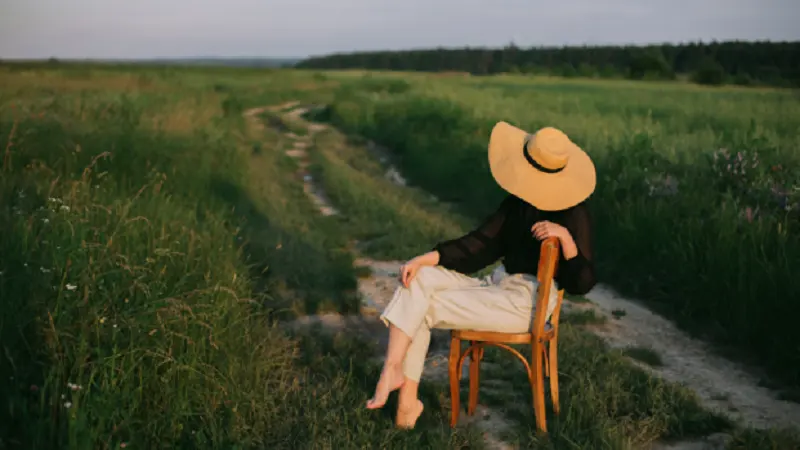
Britain’s countryside isn’t just Instagram-worthy scenery. It’s actual breathing room for reconstructing life around what genuinely matters to you. Each region offers distinct flavors—golden Cotswold stone versus Scotland’s dramatic wilderness.
Choosing Your Countryside Base
Countryside retreats in Britain locations range widely in character and accessibility. The Peak District sits conveniently near Manchester and Sheffield for dipping your toes in without major upheaval. Cornwall’s coastal trails deliver mindfulness with ocean views, whilst Yorkshire Dales market towns balance rural peace with practical amenities. Each area deserves consideration based on your specific needs and comfort level with remoteness.
Planning longer countryside stints? Connectivity becomes crucial, even in rural life, as it demands decent internet for remote work. Using an esim for international travel proves useful here too, maintaining stable connections while you test-drive slow living across different UK regions or explore similar lifestyles internationally before permanently committing. This adaptability lets you experiment without sacrificing professional responsibilities.
Building Community Connections
Simply living in the countryside absolutely doesn’t mean becoming a hermit. Village fetes, farmers’ markets, the local pub—these create organic connection points. Skill-sharing workshops and community co-ops let you meaningfully contribute while forging authentic relationships that anonymous city life rarely provides.
Creating Your Minimalist Haven
Your environment profoundly impacts your mental state. Cluttered spaces breed cluttered minds. Clean, minimal surroundings? They create essential mental spaciousness.
Decluttering for Mental Clarity
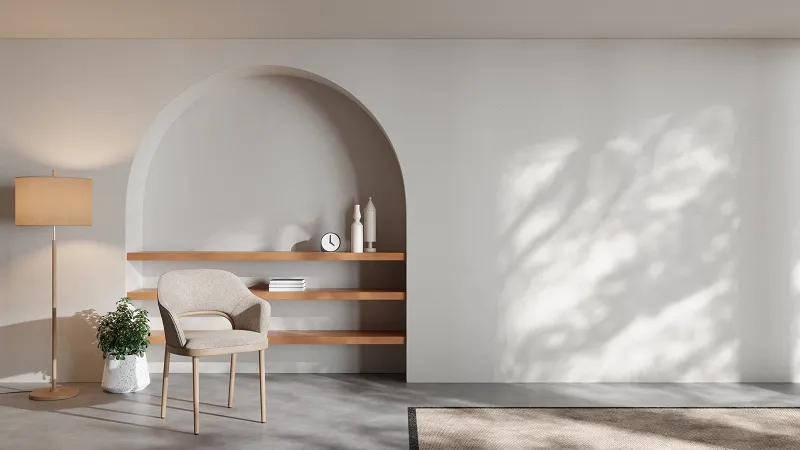
Begin small—one room, even one drawer. Retain things serving clear functions or bringing genuine joy; release everything else without guilt. The minimalist lifestyle UK aesthetic shines in traditional cottages—think neutral textiles, reclaimed timber, sunlight streaming through original windows. You’re eliminating visual chaos so your brain can finally rest.
Seasonal reviews prevent reaccumulation. Quarterly check-ins with your possessions, questioning whether each item earns its place. This becomes a meditative ritual rather than a daunting chore.
Quality Over Quantity Matters
Median income barely budged between 2009-10 and 2022-23, just 6% growth. Thoughtful consumption isn’t optional anymore; it’s essential. Buy fewer, superior items, brands like Barbour last literal decades while fast fashion disintegrates within months. This approach simultaneously reduces spending and environmental damage.
British wool. Reclaimed slate. Local timber. These materials age gorgeously whilst supporting regional artisans. Second-hand furniture often demolishes new pieces in both character and build quality.
Making the Transition
Shifting toward slower living doesn’t demand dramatic life explosions. Gradual adjustments compound into transformed existence.
Testing Before Committing
Extended countryside trials, one to three months, reveal what you’ll genuinely miss versus what was mere habit. House-sitting opportunities offer affordable regional sampling. Many discovered supposedly essential urban conveniences were actually completely optional.
Financial Realities Check
Housing costs swing dramatically across British countryside areas. Investigate council tax variations, transportation expenses without reliable public transit, and heating bills for older properties with questionable insulation. Emergency funds matter exponentially when tradespeople travel further, and replacement parts arrive more slowly.
Part-time arrangements support slow living better than full-time remote positions that simply recreate urban stress patterns in prettier settings. Freelancing and consultancy offer flexibility, aligning with these values.
Daily Rhythms That Sustain
Morning walks replace jarring alarm clocks when feasible. Seasonal eating follows farmers’ market availability rather than supermarket artificial year-round everything. Evening rituals might feature fireside reading instead of mindless scrolling—small adjustments that cumulatively transform your entire tempo.
Winter presents unique challenges requiring adapted practices. Hygge-inspired indoor crafts, preserving autumn’s bounty, and earlier bedtimes matching natural darkness—all help maintain slow living through bleaker months.
Comparing Countryside Living Options
| Region | Proximity to Cities | Monthly Cost Estimate | Best For | Internet Reliability |
| Peak District | 30-45 min to Manchester/Sheffield | £1,200-£1,800 | Weekend escapers testing the waters | Good |
| Cotswolds | 90 min to London | £1,800-£2,500 | Traditional village aesthetic | Moderate |
| Yorkshire Dales | 45 min to Leeds | £1,000-£1,500 | Market town convenience | Good |
| Scottish Highlands | 3+ hours to cities | £800-£1,200 | Total immersion seekers | Variable |
| Cornwall | 4+ hours to London | £1,100-£1,700 | Coastal slow living | Moderate |
Your Questions About Slow Living Answered
Can you practice slow living whilst working full-time?
Completely possible. Begin with weekend rituals—morning walks, screen-free evenings, cooking meals from actual ingredients. These micro-shifts gradually transform your relationship with time and consumption, carving space even within demanding schedules.
What are the biggest challenges moving to the British countryside?
Transportation gaps without frequent buses, limited healthcare access, and potential isolation top most lists. Research GP availability and emergency response times before relocating permanently. Community building requires intentional initial effort.
How much savings do you need before transitioning?
Minimum six months’ living expenses covering rural-specific costs like vehicle maintenance and heating in older buildings. Budget £12,000-£18,000 depending on regional choice and lifestyle expectations. Trial periods first are wise.
Embracing Your Slower Journey
The slow living UK movement and British minimalism lifestyle present genuine alternatives to our exhausting default pace. Whether through weekend countryside retreats in Britain or permanent relocation, these practices restore what constant rushing steals—presence, connection, actual peace.
Start small with daily ritual adjustments, test various regions through extended visits, and trust that meaningful transformation happens incrementally, not overnight. The countryside isn’t rushing anywhere, and honestly? Neither should you. Your slower, richer life exists right now, waiting patiently whenever you’re ready to step into it. See more!