
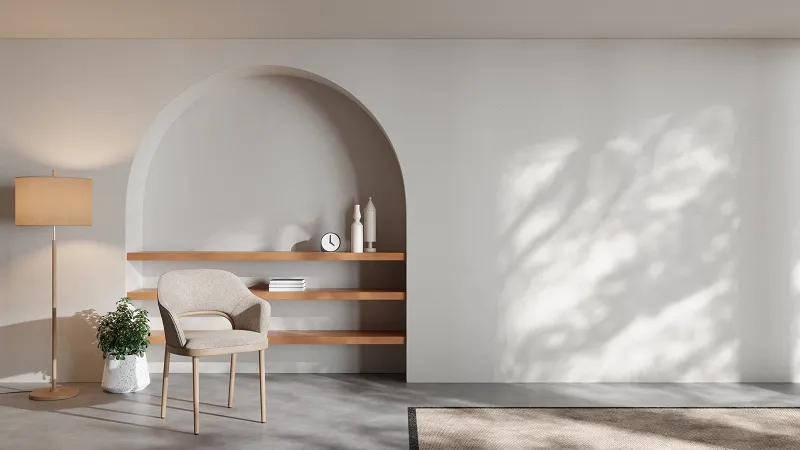
Core Elements of Minimalist Interior Design
Minimalist interior design is the best thing that happened in the architecture arena in the 20th century. Although the name may make it seem like a simple feat, it is not. So, the idea is not to strip a home of character, but to remove what feels unnecessary. With it, the interior becomes easier to live refrain from becoming visually overstimulating. As the visual clutter fades, a strong sense of comfort ensues.
Today, toward designs that feel relaxed yet intentional are popular among many homeowners. Various individual elements are chosen for both comfort and appearance. For instance, small details, like modern white ceiling fans by Visual Comfort for coastal + minimalist interiors, fit naturally into this style. Now, this article will further explain such factors that bring out the charm of minimalist interiors.
Purposeful Space Planning
Thoughtful space planning is the foundation of this interior style. Rooms should allow easy movement without obstacles. The key is to make the furniture placement follow daily routines instead of decorative rules. Clear paths open up the space and create comfort otherwise be inaccessible.
Now, the open areas matter as much as the furnished ones. Space helps people escape the suffocation of clutter. Another advantage is that it allows key pieces to stand out without competition. As a result, the room feels calm and welcoming.
Simple Forms and Clean Lines
Simple forms are a speciality of minimalist style as they go easy on the eye. One such peculiarity is that furniture avoids heavy detailing and complex shapes. Clean lines are unnerving to the human mind, and they create a sense of clean order. This way, the space feels settled and calming.
Simple forms also age well over time. Trends have been observed to be transient, but clean shapes have stayed relevant and will till the end of times. Straightforward design avoids overstimulation and visual fatigue.
Calm and Controlled Color Choices
It is a popular misunderstanding that color has nothing to do with minimalist interiors, but that’s not true. Careful selection of the right tone is the soul of this style. Neutral shades like white, beige, gray, and soft earth tones dominate the palette. These colors are peculiar in terms of their ability to reflect light and open up the room. Meanwhile, strong colors are also used, but sparingly and with purpose.
A controlled palette binds the whole design together. Also, accent colors appear through pillows, art, or rugs. With these visual cues, the space feels unified rather than scattered.
Lighting and Aircirculation That Feels Natural
Lighting deserves more appreciation than it gets in interior design. And that is true in as well as minimalist spaces. Here, natural light takes priority whenever possible. Artificial lighting has another purpose, which is to support daily needs without drawing attention to itself. Lighting fixtures in this style feel like part of the room, not centerpieces.
Many designers favor lighting with clean profiles and soft finishes. Likewise, fixtures blend with furniture and architecture, becoming another element. Functional additions, like modern white ceiling fans by Visual Comfort for coastal + minimalist interiors, are suitable additions. These choices support airflow and prevent any clutter. The result is a room that feels settled and easy to live in throughout the day.
Furniture With Clear Purpose
Furniture in minimalist interiors has specific practical applications. These pieces are made to avoid excess mass and ornamentation. Scale also matters, as furniture must fit the room comfortably. This contributes to the overall spaciousness and makes it feel usable and welcoming.
Multi-purpose furniture is yet another option that supports a clutter-free environment. Storage solutions tremendously help keep surfaces clear and keep everything organized. As such, furniture placement must make daily habits easier.
Quality Materials and Subtle Texture
While many interior design styles emphasise quantity, in minimalist design, quality takes the centre stage. Different materials like wood, stone, metal, and natural fabrics impart warmth. These materials subtly introduce rich textures. Together, they ensure the room is visually grounded and authentic.
Well-made and high-quality materials are crucial if one wishes the whole setup to hold up over time. Another interesting aspect to notice here is that even the best of materials will experience a slow and natural wear. But, in minimalism, instead of it becoming an issue, it adds character. Quality further reduces the need for frequent replacement. A good investment is meant to provide long-term comfort. As such, the room will appear to be thoughtfully finished for years to come.
Minimalist interior design focuses on various factors that are different from other design styles. Besides, every element in the room holds a purpose within the space. Light, material, and layout work as a team to create cohesion. The aesthetic taste of the homeowner and designer also matters since thoughtful choices create rooms that feel alive. And in the end, a well-designed minimalist home will become a complete abode in all senses. See more!