
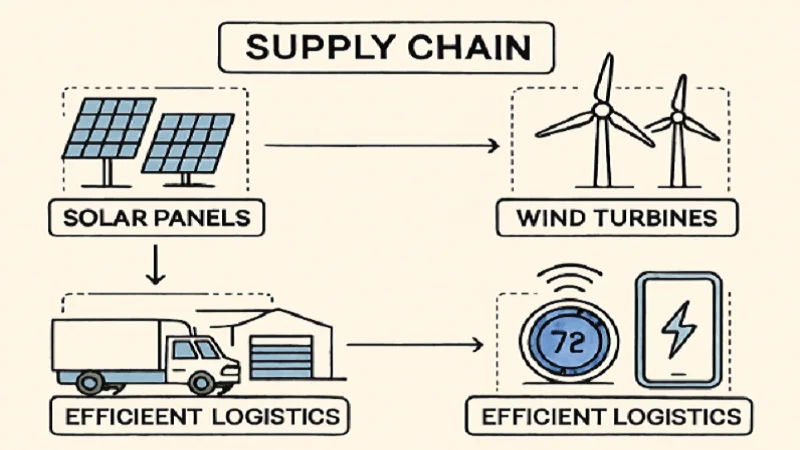
Transformations in supply chains are driving a new era for the electrical industry. The demands of today’s fast-paced world are pushing businesses to adapt quickly by implementing the latest advancements in logistics, cutting-edge technology, and sustainable practices. These evolving expectations are not limited to cost and speed but also encompass flexibility, reliability, and eco-consciousness. Businesses striving to remain competitive must stay ahead of these changes by keeping up with the latest trends, continually reassessing their operations, and adopting innovative practices where necessary. As demand grows for high-performance solutions and effective, streamlined systems, the importance of choosing the right electrical equipment supplier for construction becomes even more critical for meeting the needs of dynamic markets and modern projects. The ability to source dependable, up-to-date, and customized electrical products can define whether a construction project succeeds or falters in an increasingly competitive field.
Driven by rapid advancements in technology and an ongoing shift in market expectations, companies throughout the electrical supply chain are now leveraging new technologies, green practices, and customer-focused strategies to secure and even expand their place in an evolving landscape. This shift goes beyond just vendor relationships—it influences everything from production and distribution to after-sales service and environmental stewardship. Understanding these trends is essential for anyone involved in the electrical supply industry, from manufacturers to distributors, contractors, and end users who expect seamless integration and support from their partners.
Embracing Renewable Energy Sources
The move toward renewable energy is a primary driver of sweeping changes in electrical supply chains. Renewables are not only a response to growing public interest in sustainability but also a practical necessity in light of increasingly stringent government regulations and ambitious carbon-reduction targets. As electricity grids integrate more power from solar photovoltaic panels, wind turbines, and sophisticated energy storage systems, suppliers must adapt on multiple levels. This includes stocking an expanded range of electrical components that are compatible with renewable installations, developing a thorough understanding of new products and standards, and even retraining staff to provide better guidance to their clients.
Integration of renewables with traditional electrical grids requires complex new systems and specialized expertise to ensure seamless connectivity, safe interactions, and reliable operations. Unlike a conventional electrical supply, renewable integration involves variable production and unique control challenges. As such, this shift impacts every step of the supply chain—from the very start, where raw materials are sourced and verified for compliance, through to the installation and ongoing maintenance of finished products. Mastery of these new requirements drives growth, opens up avenues for differentiation, and positions suppliers to lead in both established and emerging markets. As more organizations seek energy independence and strive for greener credentials, aligning with renewable supply trends has become not just attractive but essential for those looking to stay ahead.
Digitalization and Smart Technology Integration
Digital transformation is revolutionizing supply chains in the electrical industry and across manufacturing sectors. The adoption of innovative tools, such as the Internet of Things (IoT), Artificial Intelligence (AI), and cloud-based solutions, has enabled real-time oversight, streamlined communication, and vastly improved operational insights. Through IoT-enabled sensors embedded in products and distribution networks, companies can now track shipments, monitor inventory levels remotely, and receive immediate alerts about delays or interruptions, dramatically reducing manual effort while increasing reliability and transparency throughout the workflow.
AI and machine learning add another layer of potential, enabling suppliers and distributors to predict maintenance needs, optimize delivery routes, and automate routine ordering processes with greater accuracy and efficiency than ever before. These tools help cut costs while also improving customer satisfaction by minimizing errors and lead times. According to McKinsey, digitalization is no longer optional but essential, offering significant opportunities for utilities and suppliers to radically improve their efficiency, safety standards, and customer engagement efforts in an increasingly digitized marketplace.
Focus on Sustainability and Energy Efficiency
Heightened awareness of environmental issues among both businesses and consumers is accelerating the widespread shift toward sustainable products and processes. In the electrical industry, this change is especially evident in the growing adoption of eco-friendly components such as advanced LED lighting, high-efficiency transformers, solar-ready switchgear, and other low-consumption devices that minimize waste and energy use. These products not only help clients reduce their carbon footprint but also often deliver long-term savings on operational costs, making sustainability an attractive and increasingly expected attribute.
Sustainability, however, extends beyond just the products themselves—it also encompasses the practices of the entire supply chain. Responsible suppliers are now investing in recycling initiatives for electrical waste, reducing packaging and shipment materials, utilizing energy-efficient transportation, and adopting environmentally sound manufacturing and warehouse processes. These practices are both demanded by customers and required to comply with evolving international and local environmental regulations.
Advanced Logistics and Supply Chain Management
Modern supply chains must be dynamic, flexible, and responsive to withstand market volatility and sudden disruptions. Advances in automation, inventory management, and logistics planning are equipping companies to operate with greater precision and speed. The integration of predictive analytics enables organizations to forecast demand more accurately, manage stock levels with minimal waste, and respond quickly to ever-changing customer requirements.
Warehousing solutions are increasingly automated, using robotics and sensor data to optimize picking, packing, and shelving. This not only boosts efficiency but also minimizes the risk of human error and workplace incidents. Data-driven decision-making further empowers suppliers to increase transparency, reduce costs, and streamline every stage of the supply chain process, from procurement through final delivery.
Building Resilience in Uncertain Times
Diversifying supplier sources and strengthening long-term relationships with key manufacturers are key strategies for building robust and resilient supply networks. When companies rely on a single supplier or geographic region, they are much more vulnerable to unexpected shocks such as natural disasters, political instability, pandemics, or other supply chain crises. By expanding partnerships and investing in contingency planning, organizations can reduce exposure to shortages, maintain service continuity, and even use adversity as an opportunity for strategic growth and improvement.
Customization and Client-Centric Approaches
The days of one-size-fits-all solutions are passing rapidly in the electrical industry. Today’s clients are looking for partners who can offer tailored products, technical advice, and services that are carefully matched to the demands of individual projects and operations. Forward-thinking suppliers are increasingly adopting consultative sales models, investing in areas where in-depth product knowledge, design expertise, and direct customer engagement play central roles in delivering value and building trust.
This shift often means offering custom assemblies, in-house modifications, specialized packaging, and personalized technical support, all of which foster long-term partnerships and increase customer loyalty. Beyond product variety, superior customer service and value-added offerings—such as same-day delivery, digital design resources, or field support—are emerging as critical differentiators in a highly competitive marketplace. Companies that deliver on these expectations set themselves apart and build lasting relationships based on mutual success.
Conclusion
The electrical supply chain is evolving rapidly, shaped by advancements in renewable energy integration, digital transformation, sustainability initiatives, and a renewed focus on customer needs. Each of these factors brings both challenges and opportunities, demanding ongoing adaptation and innovation from every participant in the value chain. By embracing forward-looking strategies, prioritizing efficient, eco-friendly solutions, and keeping their clients’ needs front and center, electrical suppliers can not only survive but thrive—and help their clients succeed—in this dynamic, ever-changing environment. See more!